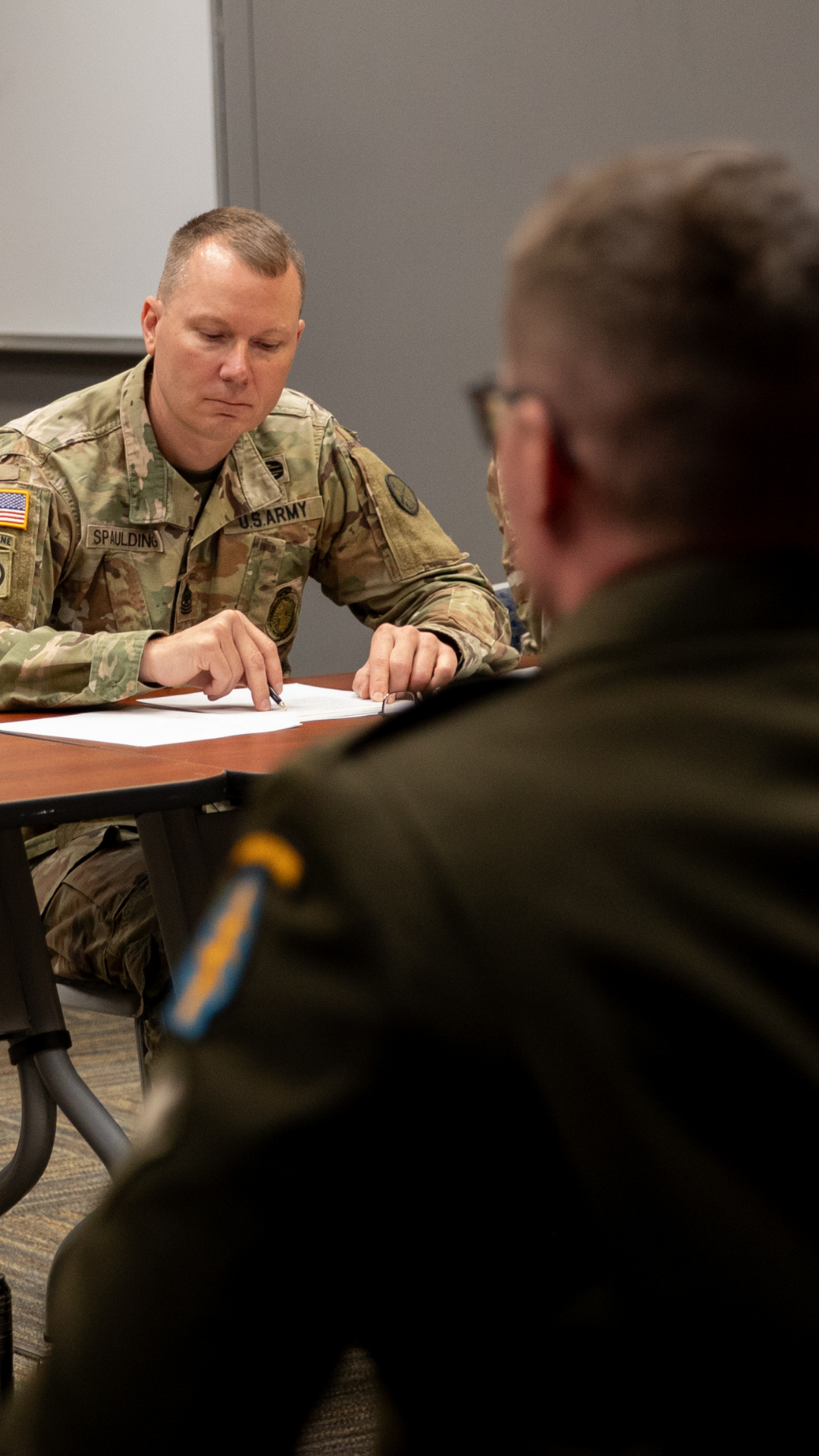
Mangan Law is proud to have represented many commissioned and warrant officers facing “Show Cause” notifications.  As one of our specialties, we have successfully defended officers across all branches, ensuring they retain their commissions, protect their retirement, and clear their records of unfounded allegations.

A Show Cause Board—officially known as a Board of Inquiry (BOI)—is the administrative mechanism the military uses to involuntarily separate an officer. While it is not a criminal trial, the consequences are often as severe as a court-martial conviction. At stake is not just your current job, but your entire career trajectory, your professional reputation, and the military retirement you have earned over decades of service.

Why You Were Ordered to “Show Cause”

Officers are not “processed” for separation in the same way enlisted members are; they are ordered to “show cause” as to why they should be allowed to remain in the service. This process is typically triggered by:

  • Substandard Performance of Duty: Failure to meet the standards expected of your rank or specialty.
  • Misconduct or Moral/Professional Dereliction: Allegations ranging from fraternization and DUIs to financial “mismanagement” or sexual harassment.
  • Criminal Conduct: Charges under the UCMJ, even if they did not result in a court-martial conviction.
  • Security Concerns: Conduct that makes retention inconsistent with national security interests.

The Board of Inquiry Process

The BOI is a formal, litigated hearing held before a panel of at least three senior officers (at least one must be O-5 or above).

  • Preponderance of the Evidence: Unlike a criminal trial where the burden is “beyond a reasonable doubt,” the government only needs to prove its case by a “preponderance of the evidence” (i.e., that the misconduct is more likely than not to have occurred).
  • Procedural Rights: You have the right to be represented by counsel (military and/or civilian), to call and cross-examine witnesses, and to present evidence in your defense.

Potential Outcomes

The Board is tasked with making three critical determinations:

  1. Findings: Did the alleged misconduct or substandard performance actually occur?.
  2. Retention vs. Separation: If the allegations are proven, should the officer be retained in the service or separated?.
  3. Characterization of Service: If separated, will the discharge be Honorable, General (Under Honorable Conditions), or Other Than Honorable (OTH)?.

Strategic Defense at a BOI

Defending an officer requires a sophisticated approach that balances legal technicalities with a “whole of person” narrative. Key strategies we employ include:

  • Challenging the Board’s Composition: We aggressively vet board members for potential bias or “command influence” to ensure a fair panel.
  • Attacking Hearsay Evidence: Administrative boards allow hearsay, but we methodically expose the unreliability of statements from witnesses who are not present to be cross-examined.
  • Character and Leadership Portfolios: We compile comprehensive “defense books” highlighting your awards, evaluations, and letters of support from peers and subordinates to prove your continued value to the service.
  • Procedural Defenses: Highlighting errors in the underlying investigation (such as an AR 15-6) can sometimes nullify the basis for the board entirely.

Why choose Mangan Law for Officer Elimination Defense?

Mangan Law specializes in representing military officers.  We understand the unique pressures faced by these committed professionals and what’s at stake for their careers, future, and families.  Our successful track record is grounded on our mastery of the technical regulations (such as AR 600-8-24 or SECNAVINST 1920.6D), our extensive experience in military adverse administrative matters, and our sterling reputation among military legal offices as being both knowledgeable, professional, and formidable when fighting for our clients.  If you want our help, reach out today for a free legal consultation.

We Serve Where You Serve

Joint Base Lewis-McChord | Joint Base Elmendorf-Richardson | Fort Wainwright | Naval Base Kitsap | Joint Base San-Antonio | Fairchild AFB | Mountain Home AFB | Malmstrom AFB | USCG Kodiak | Fort Huachuca | Fort Irwin | Ellsworth AFB | FE Warren AFB | Fort Leavenworth | Fort Johnson | Fort Eisenhower | Hill AFB | Beale AFB | Minot AFB | Grand Forks AFB | Fort Liberty | Fort Cavazos | Fort Riley | Fort Stewart | Fort Moore | USCG Sector Puget Sound | Fort Carson, Peterson SFB, Air Force Academy | Wright-Patterson AFB | Military District of Washington